Atlanta-area physicians offer TenJet® percutaneous tenotomy — a minimally invasive procedure that treats damaged rotator cuff and shoulder tendons through a small incision, with no general anesthesia required.
Schedule a ConsultationPatient Experience
A TenJet patient describes chronic tendon pain and the percutaneous procedure used to address the degenerated tissue.
TenJet Patient Testimonial
Video courtesy of HydroCision, Inc., the maker of TenJet®. Individual results vary; this patient's experience is not a guarantee of outcome. Talk with a specialist about whether the procedure is appropriate for you.
Chronic shoulder tendon pain is one of the most common reasons patients seek orthopedic and pain management care. When conservative treatments have not provided lasting relief, TenJet® offers a proven minimally invasive option for:
If you have tried rest, physical therapy, corticosteroid injections, or PRP without lasting results, percutaneous tenotomy may be an appropriate next step before considering surgery.
TenJet® by HydroCision is an FDA-cleared device that uses a controlled, high-pressure saline stream to selectively remove damaged tendon tissue through a small incision — leaving healthy tissue intact. The procedure is performed under real-time ultrasound guidance in an outpatient setting.
Compared to open surgery, TenJet® typically involves less downtime, no general anesthesia, and a faster return to daily activities. Learn more at hydrocision.com/product/tenjet/.
Official demonstration video from HydroCision, the maker of TenJet, plus a look at how tendinitis differs from the deeper tissue degeneration TenJet is designed to treat.
TenJet Shoulder Minimally Invasive Tenotomy


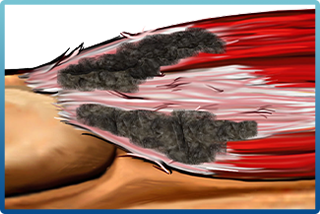
Diagrams and video courtesy of HydroCision, Inc.
Common Questions
Chronic rotator cuff tendon degeneration, including calcific tendinosis, in patients whose symptoms have persisted despite conservative treatment.
It is performed through a small incision under local anesthetic in an outpatient setting, rather than requiring an operating room and general anesthesia.
Typically brief protection followed by progressive range of motion and strengthening, with published shoulder cases describing structured therapy over roughly six weeks.
Tenotomy procedures are covered by Medicare and most private insurers, though individual plans differ. Verify your specific benefits with the treating practice beforehand.
This information is general and is not medical advice. Whether any procedure is appropriate for you can only be determined by a physician who has examined you and reviewed your imaging.